 By Sheharyar
 “In 2013, Fani Willis served as the lead prosecutor in what is still the longest criminal trial ever held in Georgia.”The case revolved around accusations against teachers and administrators in Atlanta public schools of cheating on standardized tests a few years prior. A comprehensive report, commissioned by Georgia’s governor, concluded that a total of 178 educators, including over three dozen principals and a superintendent, had engaged in “organized and systemic misconduct” since at least 2001. The investigation revealed that teachers were providing answers to students and altering incorrect responses, while administrators were offering financial incentives to those involved in the cheating and punishing those who refused to participate. One teacher even likened the operation to something out of a mob movie, saying, “APS is run like the Mob.”
The Fulton County district attorney’s office concurred, and they indicted thirty-five educators and administrators for conspiracy to violate the Racketeer Influenced and Corrupt Organizations Act (RICO) – a statute historically associated with prosecuting Mafia figures. In her opening statement, Willis explained how the RICO charges applied to the case. She clarified that under RICO, formal meetings were not necessary, but all involved parties must be working towards the same unlawful goal, which in this case was inflating test scores illegally.
Most of the educators accepted plea deals, while twelve went to trial, and eleven of them were found guilty of RICO participation (with six of them currently appealing their convictions). Among those charged was a principal accused of changing test answers, who ultimately received two years of probation. Her defense claimed that she had made the alterations solely to meet district-testing targets that determined whether schools would be closed. The defense attorney questioned the appropriateness of using RICO to threaten prison time for teachers attempting to prevent school closures. He argued, “This is more mouse steering than racketeering.”
Traditionally, a racket refers to an illegal money-making scheme. The federal RICO statute, introduced in 1970, enables prosecutors to impose severe penalties on individuals involved in a larger criminal enterprise, even if their own violations were relatively minor (such as in the case of the Mafia). This threat can lead lower-level figures to make plea deals, providing evidence and testimony against higher-ups in the hierarchy. Despite the complexity of trying multiple defendants on multiple charges simultaneously, prosecutors find RICO cases appealing due to the evidentiary benefits they offer. Volkan Topalli, a criminology professor at Georgia State, explained that Georgia’s generous RICO statute creates a “whirlpool effect” in prosecuting criminal conspiracies. Capturing one person in the whirlpool often results in drawing in others as well.
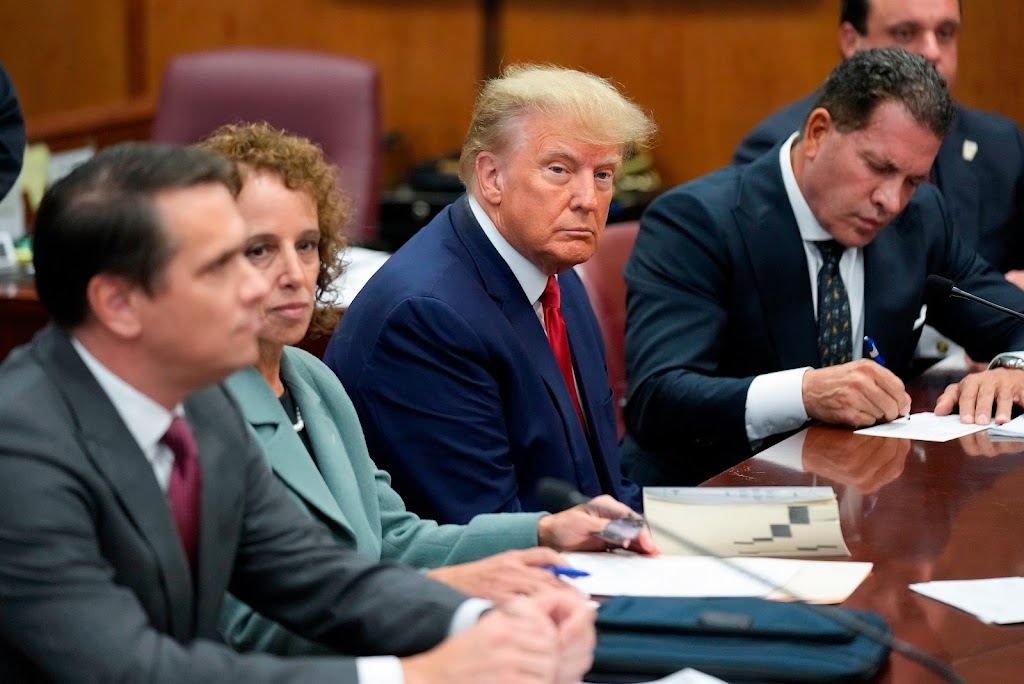
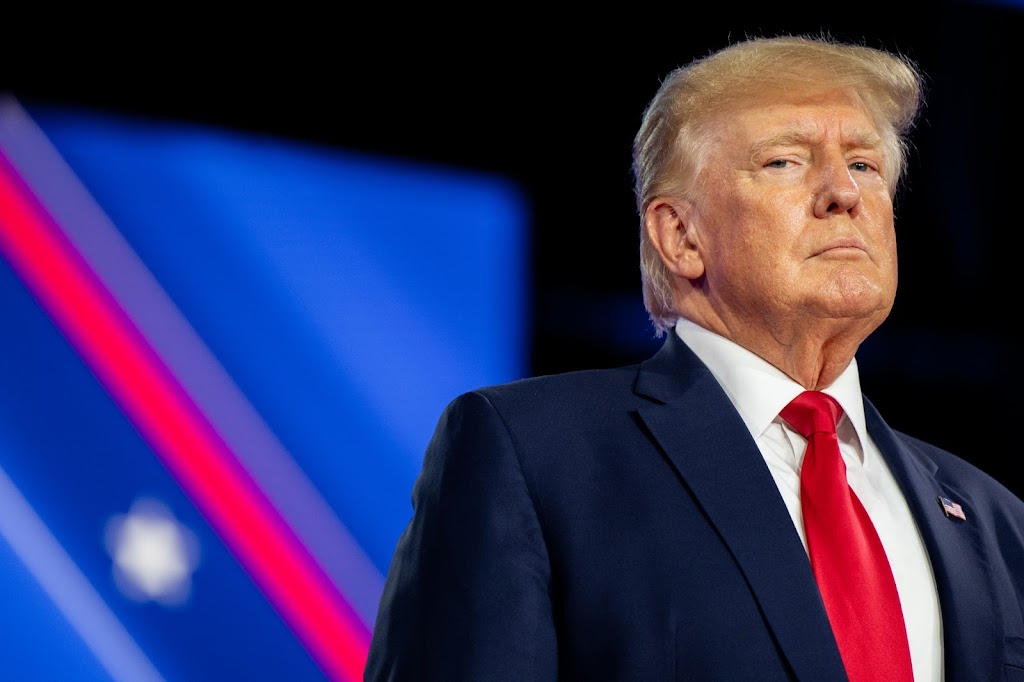
Since Fani Willis assumed the role of Fulton County’s district attorney in 2021, the use of RICO indictments has increased significantly. According to Willis, she has pursued more RICO indictments in the past eighteen to twenty months than the office did in the previous decade. One of her most high-profile cases involves the prosecution of Donald Trump on charges related to the 2020 election. Willis initiated the investigation shortly after Trump’s controversial call to Georgia’s secretary of state, Brad Raffensperger, in which he inquired about finding a specific number of votes to overturn Joe Biden’s victory in the state. Speculation abounds that Willis will ultimately bring RICO charges against the former President and his alleged accomplices for their alleged attempt to overturn the election. According to reports, Willis has obtained the necessary evidence for this case.
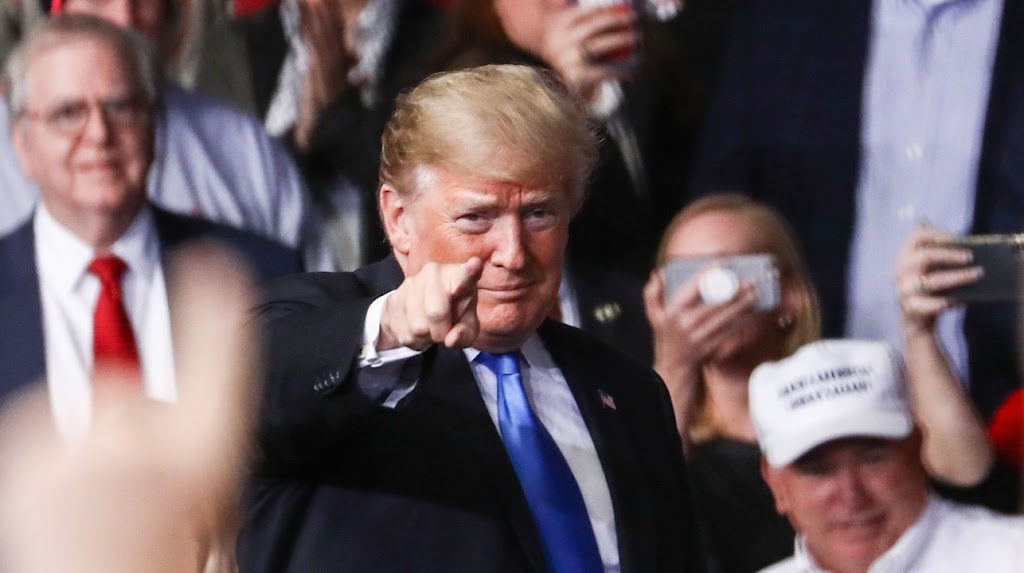
While some experts believe that charging Trump under RICO is justified, others question the statute’s intended scope in such cases. Georgia’s RICO statute allows prosecutors to target individuals involved in a single criminal goal, without necessarily proving an underlying criminal enterprise. Norman Eisen, a former trial lawyer and a senior fellow at the Brookings Institution, sees Georgia’s RICO provision as a vehicle for major cases. However, Topalli and others are cautious about the potential challenges of applying RICO to this unprecedented scenario. The case against Trump, given the high-profile prosecutions already underway, poses a unique and formidable challenge.
As the case unfolds, one thing remains certain: Fani Willis has positioned herself to be a formidable adversary. Despite the potential defenses Trump’s legal team may employ, there’s no denying that this will be an intense and fiercely contested legal battle. Whether RICO is stretched beyond its original boundaries or not, the prosecution of a former President on charges related to election interference would be groundbreaking. As Georgia’s whirlpool effect draws more individuals into the case, the nation will be watching closely to see how justice unfolds.