 By Sheharyar
Guillermo Sohnlein, the co-founder of OceanGate Expeditions, the company behind the ill-fated Titan submersible, is determined to establish a floating human colony on Venus by 2050. Despite the tragic event involving the Titan submersible, Sohnlein firmly believes that humanity should not shy away from pushing the boundaries of exploration and innovation, as reported by various media outlets.
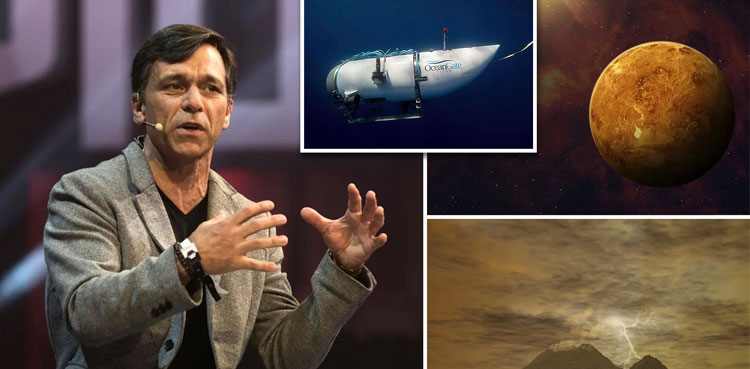
As the founder and chairman of the Humans2Venus Foundation, a non-profit organization dedicated to exploring Venus as a potential long-term destination for humanity, Sohnlein has set a remarkable goal. He aims to send 1,000 humans to inhabit the Venusian atmosphere, the second planet in our solar system, by the year 2050, according to the Daily Mail.
In an interview with Business Insider, Sohnlein defended his ambitious plan, stating that it is less audacious than the goal of settling a million people on the Martian surface by the same year.
Sohnlein’s vision for a human presence on Venus was influenced by data collected from Russia’s Venera mission to the planet. According to a blog post he wrote on February 27, he came across information suggesting that the gravity measured 50 kilometers above Venus’ surface was similar to Earth’s gravity (1G). Additionally, the atmospheric pressure at that altitude was approximately 1 ATM, and the temperature was relatively tolerable (ranging from 30 to 50 degrees Celsius). Sohnlein argued that the Venusian atmosphere could provide sufficient radiation protection, even when the planet is closer to the Sun.

While Venus is known as the hottest planet in our solar system and has a thick, hot atmosphere, Sohnlein sees potential in creating a space station that would allow humans to thrive in the Venusian atmosphere. He envisions a floating colony accommodating 1,000 people by 2050. Although this may sound aspirational to some, Sohnlein firmly believes that it is achievable within the specified timeline.
Despite the tragedy involving the Titan submersible, Sohnlein is adamant that it should not discourage humanity from pushing forward in exploration and innovation. He emphasized that humanity stands at the brink of significant breakthroughs and should not let setbacks like the Titan accident hinder progress.
The Titan submersible, on a mission to explore the Titanic shipwreck in the depths of the Atlantic Ocean, tragically imploded, claiming the lives of all five people on board on June 18. The victims included OceanGate CEO Stockton Rush, British explorer Hamish Harding, Pakistani-British tycoon Shahzada Dawood, his son Suleman, and French submarine expert Paul-Henri Nargeolet.
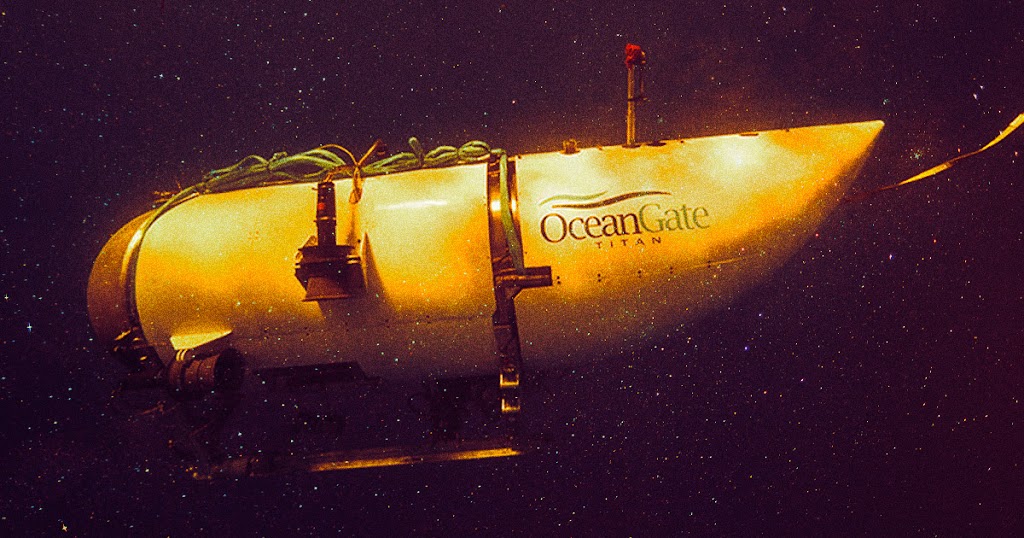
As a co-founder of OceanGate, Sohnlein has been deeply involved in the company’s operations. However, in January 2013, he handed over the CEO position to Stockton Rush.
Guillermo Sohnlein’s unwavering determination to explore the Venusian atmosphere and establish a human colony on the planet reflects his belief in the potential of humanity to conquer new frontiers, even in the face of challenges and tragedies.